
Apartment Balcony Garden: A Practical Beginner's Guide
BY: DA PUBLISHED: 2026-11-21 20:22:50 | UPDATED: 2026-11-21 14:41:42 | Views: 35
Learn how to start a thriving apartment balcony garden with practical tips on sunlight, lightweight pots, watering habits, and easy herbs to grow.

Living in an apartment often leaves residents craving a personal connection to nature and fresh produce. Transforming a compact balcony into a thriving green oasis is one of the most rewarding home projects an urban renter or condo owner can undertake.
You do not need a sprawling backyard or years of farming experience to cultivate a lush outdoor retreat. With thoughtful planning, lightweight containers, and beginner-friendly herbs, your apartment balcony garden can quickly become your favorite corner of the home.
Key Takeaways
- Measure the hours of direct sunlight your balcony receives before buying seeds or seedlings.
- Choose lightweight containers with drainage holes and catch trays to protect the balcony floor.
- Start with hardy herbs like rosemary, mint, and basil alongside leafy greens before attempting fruit-bearing crops.
- Utilize vertical space with tiered shelving, wall planters, and rail boxes to maximize limited floor area.
- Establish a regular morning watering routine to counteract quick evaporation caused by open-air balcony breezes.
1. Assessing Your Balcony Environment
Before heading to a local nursery, spend a few days observing the specific microclimate of your balcony. Sunlight exposure determines what plants will flourish and which will struggle. South-facing balconies typically receive intense, all-day sun, while east-facing spaces catch gentle morning rays, and north-facing balconies receive cool, indirect light.
Wind exposure is another critical factor that many high-rise apartment dwellers overlook. Upper floors frequently experience brisk winds that dry out container soil rapidly and snap delicate plant stems. If your balcony is prone to strong gusts, plan to place sturdier pots closer to the interior walls or install mesh wind screens.
Finally, examine the load-bearing capacity and building rules of your property. Heavy stone or concrete pots filled with wet soil can add considerable weight to cantilevered structures. Always opt for lightweight materials and check community guidelines regarding hanging planters on exterior railings.
2. Choosing the Right Containers
Container choice directly affects root health, moisture retention, and overall balcony safety. Every planter you use must feature reliable drainage holes so excess water can escape freely. Waterlogged roots starve of oxygen, leading to root rot and weak growth.
Matching your pots to your plant species and balcony setup makes day-to-day care much simpler. Below is a practical comparison of the most common container options for apartment gardeners.
| Container Type | Weight Level | Moisture Retention | Best Suited For |
|---|---|---|---|
| Plastic & Resin Pots | Very Light | High (dries slowly) | High-rise balconies, renters, leafy greens |
| Fabric Grow Bags | Extremely Light | Moderate (breathable) | Root vegetables, cherry tomatoes, easy winter storage |
| Unglazed Terra Cotta | Heavy | Low (dries quickly) | Mediterranean herbs like rosemary, thyme, and oregano |
| Hanging Rail Planters | Light to Moderate | Moderate | Trailing flowers, strawberries, culinary herbs |
Always pair each pot with a matching saucer or deep tray beneath it. Catching overflow prevents muddy water from staining your tiles or dripping onto your downstairs neighbors' balconies.
3. Soil and Nutrient Essentials for Potted Plants
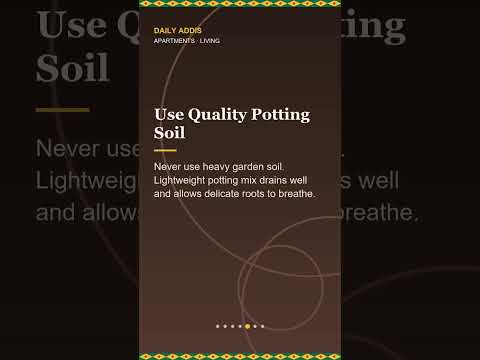
Never scoop regular dirt from an outdoor garden bed into balcony containers. Garden dirt is dense, compacts quickly in containers, and frequently carries weed seeds, fungal spores, and garden pests. Instead, invest in a dedicated, high-quality potting mix formulated for container gardening.
A balanced potting mix contains peat moss or coco coir, perlite, and compost. This airy blend retains moisture while providing adequate airflow around the root network. Perlite appears as small white granules throughout the mix and keeps the soil structure fluffy and light.
Because container plants have access only to the soil inside their pots, nutrients wash out with regular watering. Mix a slow-release organic granular fertilizer into your soil at planting time. Supplement every three to four weeks with a diluted liquid seaweed or compost tea to keep foliage vibrant and productive.
4. Top Low-Maintenance Plants for Beginners
Starting with resilient varieties builds confidence and delivers fast harvests. Culinary herbs are ideal candidates because they mature quickly, take up minimal root room, and provide fresh flavor for daily home cooking.
Video 1 of 1
- Rosemary: Thrives in hot, sunny conditions and requires very little watering once established.
- Mint: Grows vigorously in almost any light, but always plant it in its own separate container because its roots will quickly overtake neighboring herbs.
- Sweet Basil: Loves warmth and six hours of sunshine; harvest the top leaves regularly to encourage bushy side shoots.
- Loose-Leaf Lettuce: Matures in under a month and can be cut repeatedly from the outside leaves for fresh dinner salads.
- Chili Peppers: Compact dwarf pepper varieties produce colorful, productive harvests on warm, sunny balconies.
If you enjoy decorative blooms, add marigolds or dwarf nasturtiums alongside your edible greens. These colorful flowers brighten the balcony aesthetic and attract beneficial pollinating insects while repelling common garden pests naturally.
5. Maximizing Small Balcony Layouts
Square footage on an apartment balcony is always at a premium, making vertical organization essential. Think upward rather than outward to leave clear walkways and space for a small bistro chair or coffee table.
Tiered plant stands, wooden step ladders, and vertical wall planters transform unused vertical walls into productive growing surfaces. Railing planters make excellent use of perimeter borders without occupying a single inch of floor space.
Arrange your taller plants, such as upright tomato cages or climbing beans, against the building wall so they do not cast shadows over smaller ground-level pots. Group pots with similar watering requirements together so routine care remains fast and organized.
6. Daily Care and Water Management
Container plants dry out far faster than plants rooted in the ground, particularly when exposed to wind and reflective heat from concrete balcony walls. Check your pots every morning by pressing your fingertip one inch into the soil. If it feels dry, give the container a slow, thorough watering until water trickles into the saucer.
Always water early in the morning before the peak heat of the day arrives. Morning watering prepares plants for afternoon heat and gives foliage time to dry, which discourages fungal leaf issues. Empty overflowing saucers thirty minutes after watering so roots do not sit in stagnant pools.
Prune away yellowing leaves and dead stems weekly to keep air circulating smoothly through your plants. Regular deadheading and selective trimming keep your balcony garden clean, tidy, and free of decaying debris.
Frequently Asked Questions
Can I grow vegetables on a completely shaded balcony?
While sun-loving crops like tomatoes and peppers require strong direct sunlight, leafy greens flourish in partial or bright indirect shade. Spinach, kale, Swiss chard, mint, and parsley produce tender, tasty leaves without intense afternoon sun.
How do I stop runoff water from dripping onto lower balconies?
Always place heavy-duty plastic saucers or continuous drip trays underneath your pots and railing planters. Water slowly using a long-spout watering can, stopping as soon as moisture reaches the catch tray, and empty excess water with a kitchen sponge or turkey baster.
What should I do with my balcony plants during severe storms?
When high winds or torrential rains are forecast, temporarily move lightweight pots and hanging baskets onto the balcony floor against the interior building wall. If heavy weather persists, bring smaller herb pots indoors to a bright windowsill until conditions clear.
Do I need expensive specialized tools to get started?
Not at all. A beginner can manage a balcony garden with just a simple hand trowel, a comfortable pair of pruning shears, a long-spout watering can, and a spray bottle for gentle misting. Many everyday kitchen items, such as clean food containers and wooden chopsticks, make great seedling trays and plant stakes.
Creating an apartment balcony garden turns underused outdoor space into a relaxing, productive personal sanctuary. By selecting lightweight pots, quality soil, and reliable starter herbs, you can enjoy the sensory pleasure of fresh greenery right outside your living room window.
You May Also Like
Latest Videos
Stop Buying Apartments Blindly: 3 Hidden...
Jul 08, 2026Super Girl Movie 2026 is finally here!
Jul 05, 2026Ethiopian Kitfo
Jul 05, 2026Related Articles

Moving Into a New Apartment: A Step-by-S...
3 weeks ago