
Stop Buying Apartments Blindly: 3 Hidden Red Flags to Check Before You Sign
BY: DA PUBLISHED: 2026-07-08 18:43:15 | UPDATED: 2026-10-20 23:26:40 | Views: 439
When you are touring a beautiful apartment, it is easy to get distracted by the sparkling countertops, the view from the balcony, or the fresh coat of paint. But professional home inspectors know a secret: the most expensive problems are always hidden in plain sight.
Buying a home is one of the largest financial commitments you will ever make. To save yourself from costly repairs and endless headaches down the road, you need to look past the staging.
Before you sign any paperwork or hand over a deposit, bring your smartphone, channel your inner inspector, and look for these three critical red flags.
1. The Low-Pressure Illusion (Water & Plumbing)
A shiny new faucet means nothing if the plumbing behind the wall is compromised.
How to inspect it: Don't just turn on the bathroom sink faucet for a few seconds. Turn on the shower and the sink at the same time, then flush the toilet.
The Red Flag: If the water flow drops to a miserable trickle, you are looking at poor water pressure or faulty pipe sizing throughout the building. While you are under there, open the vanity cabinet and look at the trap beneath the sink with your phone’s flashlight. Check for dampness, water rings, or a musty smell—clear indicators of an active or recurring leak.
2. Structural Shortcuts (Molding Gaps & Tapping Tiles)
Fresh paint can mask minor cosmetic flaws, but it can't hide poor structural craftsmanship. Builders who rush the job leave clues in the corners.
Video 1 of 1

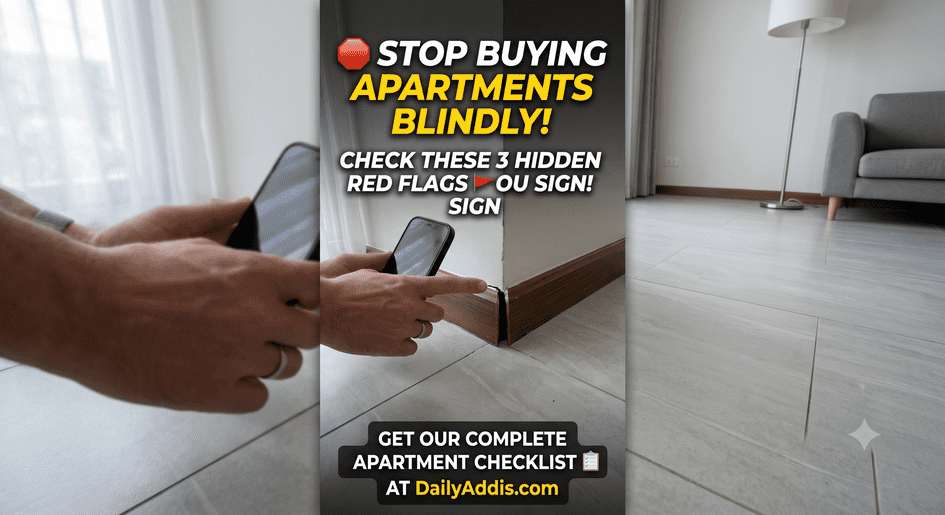
How to inspect it: Look closely at the baseboards and the crown molding where the walls meet the ceiling. Then, gently tap a few floor or wall tiles with your knuckles or a small coin.
The Red Flag: Visible gaps between the molding and the wall mean the building is settling unevenly, or the materials were installed poorly. If the tiles make a hollow, empty sound when tapped, it means the mortar wasn’t applied properly underneath. Over time, those hollow tiles will crack and pop loose under foot traffic.
3. Poor Window Seals & Strategic Outlet Placement
An apartment that can’t hold its temperature or accommodate your electronics will quickly become a nightmare to live in.
How to inspect it: Close the windows firmly and run your hand along the edges where the frame meets the wall. Next, map out the electrical outlets in the main living areas and bedrooms.
The Red Flag: If you feel even a slight draft of outside air coming through a closed window, the seal is broken. In the rainy season, this means water damage; in the dry season, it means dust and high utility bills. Furthermore, if a bedroom only has one awkwardly placed outlet, you’ll be forced to run dangerous extension cords across your paths just to charge your phone by your bed.
The Inspector's Pre-Purchase Cheat Sheet
| Area to Check | What to Do | What a "Pass" Looks Like |
| Plumbing | Turn on all taps and flush simultaneously. | Strong, consistent water flow; dry under-sink cabinets. |
| Flooring & Trim | Tap tiles lightly; check corners and trim lines. | Solid, dull sounds from tiles; seamless, flush molding. |
| Windows | Close tightly and feel for airflow or wobbles. | Total seal against drafts, dust, and outside noise. |
| Electrical | Count and locate outlets relative to furniture. | Multiple, modern outlets placed logically in every room. |
Don't House-Hunt in the Dark
Spotting these issues early gives you massive leverage. You can either negotiate a lower purchase price, demand that the developer fix the issues before closing, or walk away from a bad investment entirely.