
How to Save Money on Groceries: 10 Practical Tips
BY: DA PUBLISHED: 2026-11-15 21:28:22 | UPDATED: 2026-11-15 17:59:24 | Views: 45
Learn how to save money on groceries with simple habits: plan meals, shop smart, store food well and cut waste. A practical guide for any household.

Food is one of the biggest regular costs for most households, and it is also one of the easiest to adjust. You do not need to eat less or give up the meals you love. Small changes in how you plan, shop and store food can make a real difference over a month.
This guide shows you how to save money on groceries with ten practical habits. They work whether you shop at a neighborhood shop, an open market, a supermarket or online, and they fit families, students and people living alone.
Key takeaways
- Check what you already have before you buy anything.
- Plan meals for the week and shop from a written list.
- Compare prices per kilo or per liter, not just the sticker price.
- Store food properly so less of it is thrown away.
- Cook once and use leftovers in a second meal.
- Track what you spend on food for a month to see your own patterns.
1. Start with what you already have
Before every shopping trip, spend five minutes looking through your kitchen. Check the pantry, the fridge and any containers of grains, lentils or spices.
Write down what needs to be used soon. Then build your meals around those items first. This simple check stops you from buying a second bag of something you already own.
2. Plan meals and write a list
Meal planning does not have to be strict. A rough plan for five or six dinners is enough, and you can leave a day or two open for leftovers or a spontaneous meal.
Once you have the plan, write a shopping list and stick to it. Many people overspend because they shop while hungry or without a clear idea of what they need.
- Group your list by type: grains, vegetables, proteins, household items.
- Include quantities so you do not over-buy.
- Leave a small, flexible amount for a treat so the plan feels realistic.
3. Shop smarter
Where and how you shop matters as much as what you buy. A few habits can help you get better value without lowering quality.
Compare unit prices
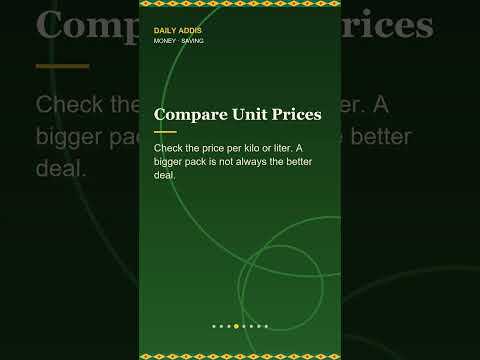
A larger package is not always the better deal. Look at the price per kilo, per liter or per piece, and compare it across sizes and brands. Do the quick math on your phone if needed.
Buy staples in sensible quantities
Items that keep well, such as teff, lentils, chickpeas, rice, pasta and spices, can be worth buying in larger amounts when you have space and a safe, dry place to store them. Only do this if you will actually use them before they go stale.
Choose fresh produce in season
Fruits and vegetables are often fresher and more affordable when they are in season locally. Ask sellers what is plentiful that week and adjust your menu to match.
Visit more than one seller
If it is practical for you, compare two or three places for your most-bought items. Prices and quality can vary, and you may find a favorite spot for each category.
Video 1 of 1
4. Store food so it lasts longer
Food that spoils is money thrown away. Good storage is a quiet but powerful way to save.
- Keep dry goods sealed. Use airtight containers or well-closed bags in a cool, dry place.
- Check your fridge often. Move older items to the front so you use them first.
- Wash and prepare produce wisely. Some vegetables last longer if you dry them well and store them in a ventilated container.
- Freeze extras. Cooked stews, sauces and some breads can be portioned and frozen for later.
- Label and date. A piece of tape and a pen help you remember what is inside.
5. Cook once, eat twice
Cooking a larger batch and using it in different ways saves both money and time. A pot of lentil or chickpea stew, for example, can be a dinner one day and a lunch the next.
The table below shows simple habits you can combine.
| Habit | What to do | Why it helps |
|---|---|---|
| Pantry check | Review what you have before shopping | Avoids duplicate purchases |
| Weekly meal plan | Plan 5 to 6 meals and list ingredients | Reduces impulse buying |
| Unit price comparison | Compare cost per kilo or liter | Shows the real value |
| Batch cooking | Make extra portions and freeze some | Saves time and ingredients |
| Leftover day | Choose one day to finish what is left | Cuts food waste |
6. Reduce waste and track your spending
Wasted food is one of the most common hidden costs in a household. Pay attention to what you throw away for one or two weeks. If the same item keeps ending up in the bin, buy less of it next time.
It also helps to track what you spend on food. Write down each grocery trip in a notebook or a notes app for a month. You will quickly see which shops, days or habits cost the most, and you can set a realistic weekly food amount that fits your own budget.
7. Avoid common money traps at the shop
A few everyday situations can quietly add to your bill.
- Shopping when hungry: eat something first so you buy only what is on your list.
- Convenience items: pre-cut or pre-packaged foods often cost more than preparing them at home.
- Promotions that tempt you to buy more: a discount only helps if you actually needed the item. Compare the price with your usual one before buying.
- Too many small trips: frequent quick visits can lead to extra purchases. One or two planned trips are usually easier to control.
Frequently Asked Questions
What is the fastest way to reduce my grocery spending?
Start by planning your meals and shopping from a list. This one change often reduces impulse purchases and duplicate items more than any other habit.
Is buying in bulk always cheaper?
Not always. Bulk buying helps only when the unit price is lower, you have proper storage and you will use the food before it spoils. Compare the price per kilo or liter first.
How much should I spend on food each month?
It depends on your household size, needs and local prices, so there is no single right number. Track your spending for a month, then set a realistic amount that fits your own budget.
How can I keep fresh food from going bad?
Store it properly, use older items first and plan meals around what needs to be eaten soon. Freezing cooked portions is also a helpful option for extras.
Conclusion
Saving on groceries is about small, steady habits rather than big sacrifices. Check your kitchen, plan your meals, compare prices, store food well and use what you buy. Choose two or three tips to try this week and build from there.
Note: This article offers general information only and is not financial advice. Your situation is unique, so adjust these ideas to suit your own household and budget.
You May Also Like
Latest Videos
Stop Buying Apartments Blindly: 3 Hidden...
Jul 08, 2026Super Girl Movie 2026 is finally here!
Jul 05, 2026Ethiopian Kitfo
Jul 05, 2026Related Articles

How to Build an Emergency Fund: A Simple...
1 week ago
How to Make a Monthly Budget: Simple Ste...
2 weeks ago