
How to Choose a Real Estate Broker: A Practical Checklist
BY: DA PUBLISHED: 2026-11-26 20:20:57 | UPDATED: 2026-11-26 14:46:55 | Views: 39
Learn how to choose a real estate broker with a simple checklist: what to verify, questions to ask, fees to clarify and red flags to watch for before signing.

Whether you are renting your first apartment, buying a condo or looking for a villa, a good broker can save you time and help you avoid avoidable mistakes. A poor match, on the other hand, can mean wasted weekends, unclear fees and stress.
This guide shows you how to choose a real estate broker with confidence. You will find a simple checklist to verify credentials, questions to ask, fee points to clarify and warning signs to notice early.
Key takeaways
- Decide what you need (rent or buy, area, budget range, timeline) before you contact any broker.
- Verify that the broker or agency is properly registered or licensed under the rules that apply where you are.
- Ask for recent, relevant experience in the area and property type you want.
- Get fees, duties and the length of any agreement in writing before you commit.
- Never pay any money without a clear written record of what it is for.
- Trust your instincts: clear, patient and honest communication is a good sign.
1. Understand what a broker actually does
A real estate broker (sometimes called an agent) connects people who want to rent, buy or sell property. A good one helps you find suitable listings, arranges viewings, explains the process and helps with communication between both sides.
A broker is not a replacement for professional advice. For legal checks on documents or ownership, you may need a qualified lawyer. For financial planning, speak to a qualified adviser. A broker can guide you through the practical steps, but the final decision is always yours.
2. Define what you need first
Brokers can only help well if you are clear. Before the first call, write down a short brief:
- Goal: rent or buy, and for how long you plan to stay.
- Property type: apartment, condo, villa or commercial space.
- Areas: two or three neighborhoods you would consider, plus your commute needs.
- Budget range: a comfortable range, including extra costs such as service charges and moving.
- Must-haves and nice-to-haves: bedrooms, parking, reliable water supply, natural light and so on.
- Timeline: when you need to move in.
Sharing this brief helps the broker show you only relevant options. It also makes it easier to notice a broker who ignores your needs and pushes unrelated listings.
3. Verify credibility before you meet
Take a few minutes to check the basics. This is the simplest way to reduce risk.
- Registration or license: Ask whether the broker or agency is registered or licensed as required locally, and ask how you can confirm it with the relevant office.
- Real contact details: A working phone number, a physical office or a verifiable business presence is a good sign.
- Experience in your area: Ask how many similar properties they have handled recently in the neighborhoods you like.
- References: Ask if past clients are willing to share their experience. Contact them if possible.
- Online presence: Look for consistent, genuine information. Be cautious of listings with no address details or reused photos.
If a broker is unwilling to answer these basic questions, consider that a signal to keep looking.
4. Questions to ask in your first meeting
A short conversation reveals a lot. Consider asking:
- How do you find and check your listings?
- Do you work with renters, buyers or both, and in which areas?
- How will we communicate, and how quickly can I expect replies?
- How do you confirm that the person offering a property has the right to do so?
- What will you do if a property turns out not to match its description?
- What happens if I decide to stop working with you?
Notice whether the answers are clear and specific. A good broker is happy to explain the process step by step and will not rush you.
Video 1 of 1
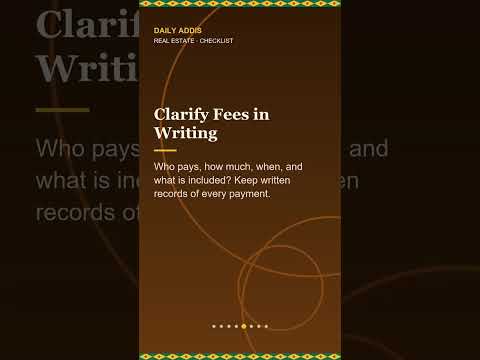
5. Clarify fees and the agreement in writing
Many misunderstandings come from unclear fees. Before you commit, ask for a written summary. Do not assume anything; ask who pays what and when.
| Point to clarify | What to ask |
|---|---|
| Service fee | How is it calculated, who pays it and when is it due? |
| What it covers | Which services are included (viewings, negotiation support, paperwork coordination)? |
| Agreement length | How long does the arrangement last and how can it end? |
| Exclusivity | Are you agreeing to work only with this broker? |
| Extra costs | Are there any other charges you should expect? |
| Receipts | Will every payment be recorded in writing? |
Keep copies of all messages and documents. If anything in an agreement is unclear, ask for it to be explained in plain language or have a qualified professional review it. This article offers general information and is not legal or financial advice.
6. Red flags to watch for
Most brokers are professional, but it helps to know the common warning signs:
- Pressure to decide immediately with statements like “someone else is about to take it.”
- Requests for payment before a viewing or before any written agreement.
- Vague answers about the property owner, the address or the terms.
- Listings that seem unusually perfect or far below what similar properties offer, with no clear reason.
- Reluctance to put things in writing.
- Ignoring your brief and repeatedly showing unsuitable options.
If you notice one or more of these, pause. You are free to step back, ask more questions or choose another broker.
7. Work well with your broker
A good relationship goes both ways. These habits help the process run smoothly:
- Be honest about your budget range and timeline.
- Give feedback after each viewing so the broker can refine the search.
- Respect appointment times and let them know early if plans change.
- Visit properties yourself and check them carefully; use a dedicated viewing checklist.
- Ask for time to think, and compare more than one option.
Compare at least two or three brokers before choosing. You will quickly see who communicates clearly and who respects your pace.
Frequently Asked Questions
Do I always need a broker to rent or buy a home?
No. Some people search on their own, and others prefer professional help. A broker can be useful if you are new to an area, short on time or unsure about the process. Either way, check everything carefully.
Who usually pays the broker’s fee?
It depends on local practice and the agreement. This is why it is important to ask in advance and to have the arrangement written down, so both sides know what to expect.
Can I work with more than one broker?
Sometimes, but it depends on any agreement you sign. If an agreement is exclusive, you may be limited to one broker for a period. Read the terms carefully and ask questions before signing.
What should I do if a broker makes me uncomfortable?
You can end the conversation politely and look for someone else. Do not make any payment you are unsure about. If you have a concern about a possible scam, consider contacting the relevant local authority.
Conclusion
Choosing a broker does not need to be complicated. Know what you want, verify credentials, ask clear questions, understand the fees and keep everything in writing. Take your time, compare options and choose someone who communicates openly and respects your needs. With the right preparation, your property search can be calmer and far more productive.
You May Also Like
Latest Videos
Stop Buying Apartments Blindly: 3 Hidden...
Jul 08, 2026Super Girl Movie 2026 is finally here!
Jul 05, 2026Ethiopian Kitfo
Jul 05, 2026Related Articles

How to Choose a Neighborhood: A Practica...
1 week ago
Hidden Costs of Buying a Home: A Practic...
3 weeks ago